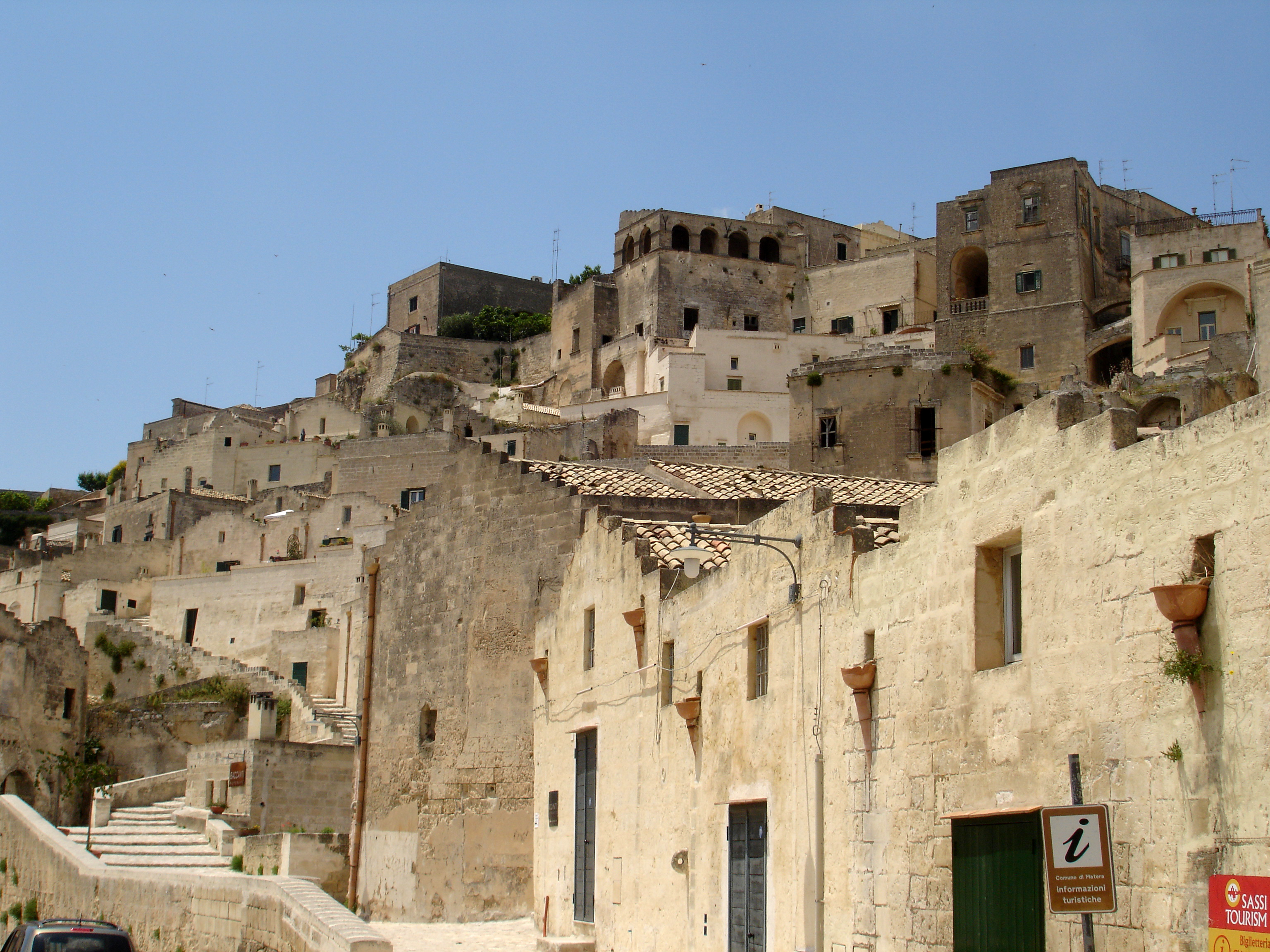
Public Services
Public Services in Rural Italian Municipalities
A factual overview of healthcare access, postal coverage, school catchment areas, and administrative offices in comuni below 5,000 residents.
All information on this site is for general reference only. Conditions in individual municipalities vary. Verify details with local authorities before making any decisions.
Fewer than 5,500 of Italy's roughly 7,900 municipalities have populations below 5,000. This archive covers the practical side of that reality: bus schedules, GP availability, annual festivals, building permits, and everything else that shapes daily life at a scale most travel writing ignores.
Public Services
A factual overview of healthcare access, postal coverage, school catchment areas, and administrative offices in comuni below 5,000 residents.
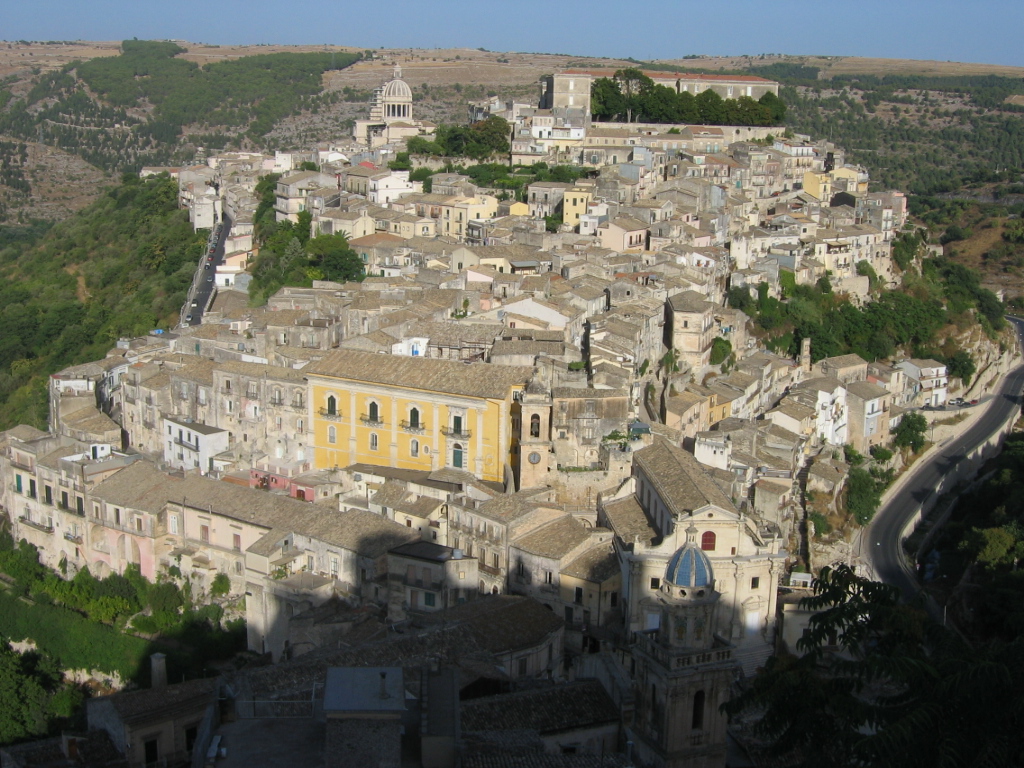
Social Life
From the morning bar ritual to seasonal sagre and local dialects — the social fabric of small Italian municipalities, documented without romanticisation.

Infrastructure
Road maintenance budgets, broadband coverage gaps, water system age, and the structural constraints facing municipalities with limited fiscal capacity.
Italy has roughly 2,500 municipalities classified as spopolamento demografico — demographic depopulation. Shops close, schools merge with neighbouring towns, and transport links thin out. Understanding this context is fundamental to an accurate picture of small-town life.
Official population data from ISTAT confirms that around 13% of comuni have lost more than 40% of their peak population since 1951. In Molise, Calabria, and parts of Sardinia the figure is higher.
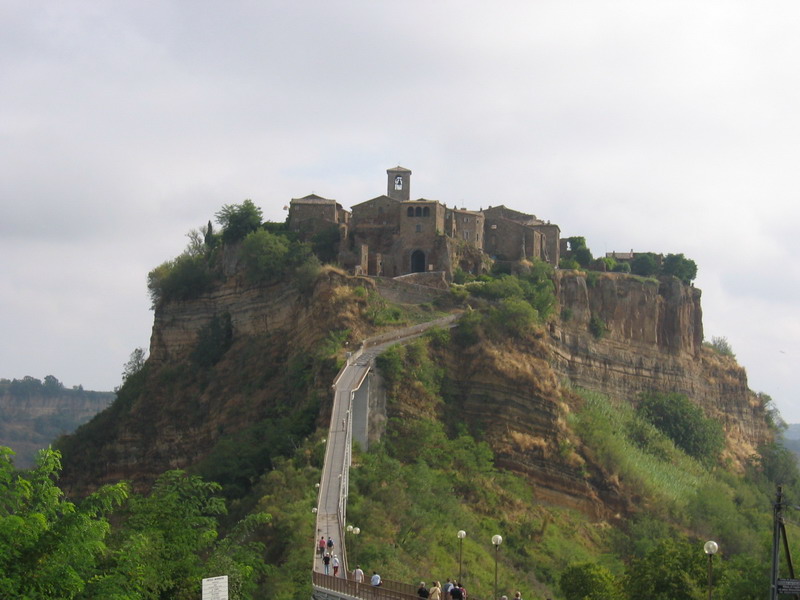


Every entry is based on documented administrative data, ISTAT census releases, regional council reports, and verified accounts from residents. Where precise figures are unavailable, this is noted explicitly.
The archive does not rank towns, assign scores, or recommend specific locations. It presents factual conditions so that readers can assess them against their own requirements. Municipality names, population figures, and service details are sourced from official records and updated as revisions become available.
External links go only to government portals, institutional research bodies, or peer-reviewed publications. No affiliate arrangements exist.
For corrections, additional data, or factual clarifications, use the form below.